
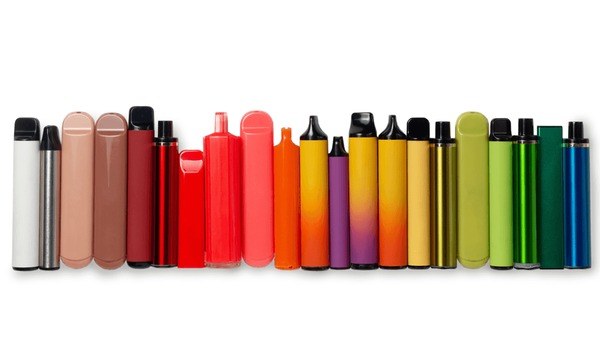
…and that was the exact moment the flavor stopped tasting like Blue Razz and started tasting like burnt plastic and regret. It’s a specific, unpleasant sensation that happens right when you realize the device is effectively a tiny, expensive piece of trash. We’ve all been there, standing in a convenience store aisle, staring at a neon-colored rectangular prism that promises a weekend of bliss but delivers nothing more than a nicotine headache.
The rise of these single-use devices has changed how people approach smoking and vaping. It used to be a commitment. You bought a device, you refilled the tank, you cleaned the coils, and you carried a piece of equipment that felt like a tool. Now, it is a consumable. It is something you use until it dies and then you toss it into a bin without a second thought.
This shift is driven by a desire for zero friction. Nobody wants to worry about battery life or leaking e-liquid. They just want a hit of something sweet and a quick way to get the job done. It is the fast food of the nicotine world, designed for a world that is increasingly impatient with maintenance.
The Illusion of the Simple Solution
On the surface, the appeal is obvious. You pick one up, you use it, and when it stops working, you grab another. There is no learning curve. There is no technical knowledge required to operate a device that essentially functions like a high-tech lollipop. This simplicity is exactly what makes it so addictive, not just chemically, but behaviorally.
When a device is integrated into a routine of convenience, it becomes invisible. You don’t think about the lithium-ion battery inside or the small amount of liquid sitting on a cotton wick. You just think about the flavor and the immediate satisfaction. This is how they get people hooked, by removing every possible barrier to entry.
We see it in the sheer variety of options available on every street corner. One shop might have forty different flavors, ranging from “Tropical Mango” to “Unicorn Milk.” It makes the whole experience feel less like a habit and more like a snack. It is a way to gamify something that is fundamentally a chemical dependency.
The economics are quite clever. You are not paying for a piece of hardware; you are paying for the privilege of using it once. It is a subscription model where the subscription is physically discarded every few days. This cycle ensures that the user is always coming back to the shop, looking for that next burst of flavor.
Because the entry price for these cheap disposables is so low, the barrier to starting is practically non-existent. A teenager can walk into a shop with a few coins and walk out with a device that looks more like a colorful gadget than a smoking implement. This accessibility is what keeps the market moving at a frantic pace.
The Hidden Cost of “One and Done”
There is a massive difference between a refillable system and a disposable one, and it isn’t just about the initial cost. With a refillable setup, you are a technician. You deal with the messy parts of the hobby, but you also have control. You choose your liquid, you manage your airflow, and you own the device.
With a disposable, you are a passenger. You have no control over how the coil is performing or how much liquid is left in that tiny reservoir. You just keep puffing until the flavor turns bitter or the light starts blinking. It is a very passive way to engage with a stimulant.
Consider the lifecycle of a single device. It is manufactured in a factory, shipped across the ocean in a crate, sold in a shop, used for perhaps two or three days, and then thrown in a bin. It is a linear path to a landfill. We are essentially throwing away functioning batteries and circuit boards because we want a specific flavor of strawberry.
The volume of waste is staggering. I saw a trash can outside a local shop last Tuesday that was overflowing with nothing but colorful plastic casings. It looked like a child’s toy box had exploded, but it was actually just the remains of a dozen different flavors. It was a grim sight for anyone thinking about the environmental impact of this convenience.
| Feature | Refillable Systems | Disposable Devices |
| Maintenance | High (Refilling, Cleaning) | Zero (Use and Toss) |
| Flavor Control | Complete | Pre-set |
| Waste Profile | Low (Reusable Parts) | High (Single Use) |
| Initial Cost | Higher (Device + Kit) | Lower (Single Unit) |
People often argue that it is cheaper in the long run to buy disposables, but the math doesn’t support that. You aren’t saving money; you are just spreading the cost out in a way that feels less significant at the moment. You are paying a premium for the convenience of being able to throw the device away.
This “disposable” mindset is creeping into other areas of our lives, too. We are losing the habit of fixing things. We are losing the habit of caring about the tools we use. If something breaks, we don’t fix it; we replace it. It is a very modern, very hollow way to live.
A Sensory Overload of Flavor
The flavor profiles are perhaps the most aggressive part of the whole phenomenon. In the early days of vaping, things were relatively boring. It was menthol or maybe a basic tobacco scent. Now, it is a constant barrage of artificial sweetness that borders on overwhelming.
The goal is to mask the chemical nature of the substance. If it tastes like a dessert, you don’t have to think about the reality of what you are doing. This is a clever psychological trick. It turns a habit that is often associated with grit and ash into something that feels light and fun.
It is a strange sensory experience. One moment you are tasting “Watermelon Ice,” and the next, the coil is slightly scorched. That transition is jarring. It reminds you that you aren’t eating candy; you are inhaling a heated liquid through a piece of wire. That realization usually ends the session immediately.
We also see a massive divide in how different demographics approach this. Younger users gravitate toward the candy-like flavors, while older users might stick to the more traditional, albeit highly processed, tobacco scents. The market has split itself perfectly to ensure no one is left out of the cycle.
The industry moves fast. A flavor that is popular this month is gone by next month. It is a constant churn of novelty. This keeps people coming back, not because they need a specific flavor, but because they want to try the “new” one. It is the same impulse that drives fast-fashion consumption.
The Mechanics of the Hit
The technology inside these things is surprisingly sophisticated, even if the user never realizes it. There is a tiny chip inside that regulates the voltage to the coil. It is designed to give you a consistent hit, regardless of how much juice is left in the tank. This is what makes them so much more effective than the old-fashioned cigarettes.
The way they deliver the nicotine is also very efficient. Most of these devices use a salt-based nicotine, which hits the bloodstream much faster and more smoothly than traditional freebase nicotine. This is why the “hit” feels so immediate. There is no waiting around for the effect to kick in.
This efficiency is a double-edged sword. It makes the transition from smoking much easier, which was the original selling point. But it also makes the addiction much harder to break. You are getting a more concentrated, more rapid delivery of the stimulant every time you take a pull.
I remember a guy at a cafe once who had three different colored disposables sitting on the table. He was switching between them like he was choosing different types of pens. He wasn’t even smoking them; he was just moving them around, a nervous habit that spoke volumes about how much space this habit occupies in his mind.
It is a very physical, very constant presence. It isn’t something you do occasionally; it is something you do in small, repetitive bursts throughout the entire day. The device is always there, in your pocket or your hand, waiting for the next moment of boredom or stress.
The sheer convenience of it means that the “break” from the habit is never truly achieved. You are never far from the next fix. The barrier is gone, the flavor is sweet, and the device is always ready to go. It is a very effective loop.
We have traded longevity and sustainability for a moment of ease. We have replaced a tool with a consumable, and in doing so, we have changed the nature of the habit itself. It is a small change in how we use a device, but it is a massive change in how we interact with the world around us.